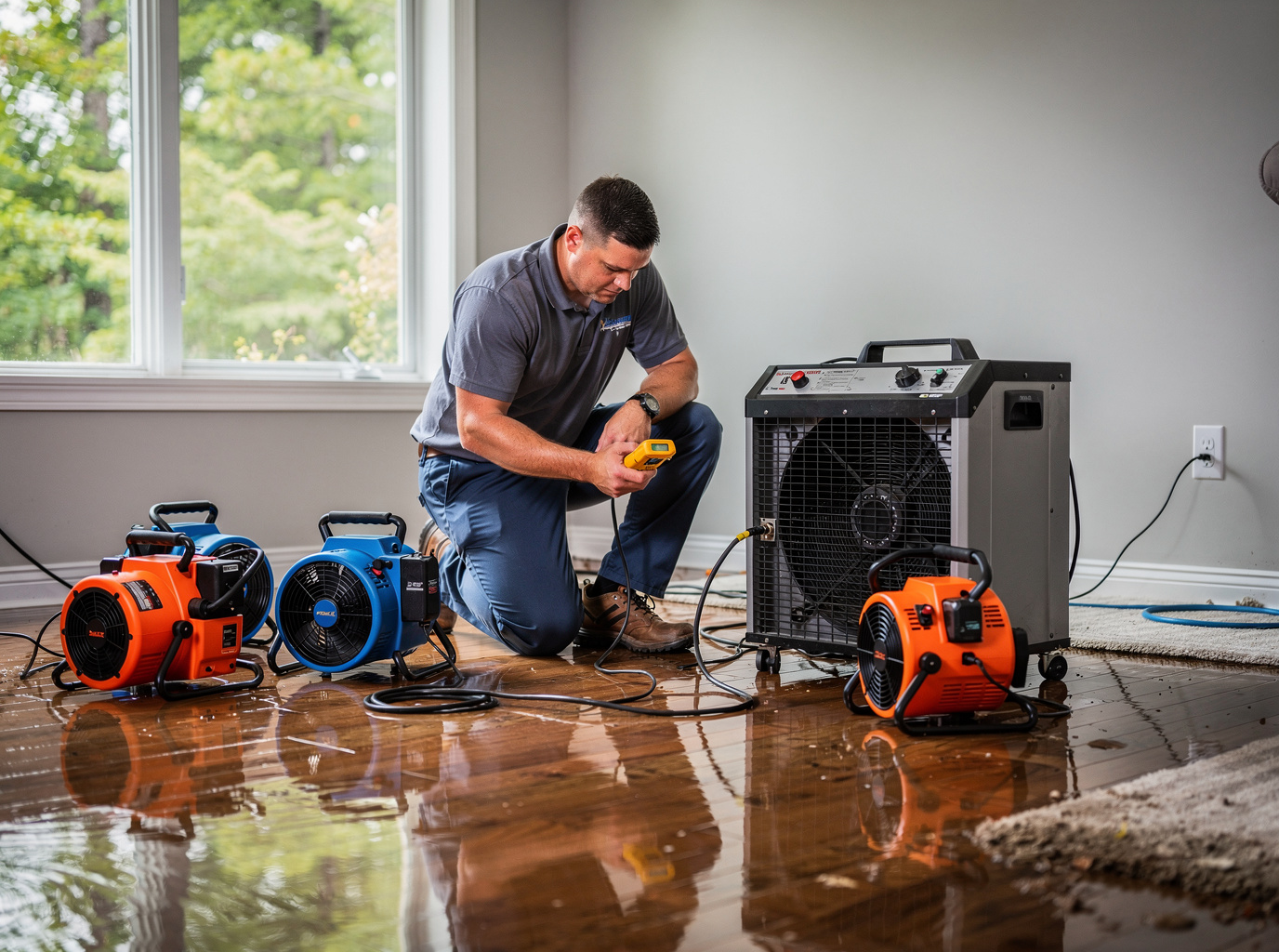
When unexpected water intrudes into your Atlanta home, whether from a sudden pipe burst in an older Midtown property or storm overflow affecting a basement in Sandy Springs, immediate action is crucial. Our water mitigation services focus on containing the damage, extracting standing water, and thoroughly drying affected areas to prevent secondary issues like structural compromise or pervasive mold growth. The humid climate in Georgia, especially during the summer months, means that even a small amount of residual moisture can quickly become a breeding ground for mold, making prompt and professional drying absolutely essential. We understand the unique challenges presented by Atlanta's diverse housing stock, from historic homes in Inman Park with their original plaster and wood to newer constructions in Buckhead, each requiring a tailored approach to water removal and drying.
Effective water mitigation goes beyond just visible water removal. It involves a detailed assessment using specialized equipment like moisture meters and thermal imaging cameras to identify hidden pockets of saturation within walls, subfloors, and behind cabinetry – areas often missed by a casual observer. For instance, a leaking supply line in a bathroom in a 1950s ranch home in Decatur might saturate the subfloor and joists for days before it becomes apparent, requiring careful demolition and targeted drying. Our team is adept at navigating these complexities, ensuring that all moisture is addressed to prevent long-term problems such as wood rot, weakened structural elements, or persistent musty odors. We work diligently to protect your property's integrity and indoor air quality, making sure your home is not just dry, but truly mitigated against future issues.
Addressing water damage in the Georgia area often means contending with both plumbing failures and the region's sometimes intense weather patterns. From the heavy thunderstorms that can overwhelm drainage systems in areas like Dunwoody to the occasional freezing temperatures that can lead to burst pipes in uninsulated areas of older homes, the causes are varied. Our comprehensive water mitigation strategy includes not only the physical removal of water and drying but also the careful documentation of the damage for insurance purposes. We understand that navigating insurance claims can be daunting, and our detailed reporting helps streamline the process. Our goal is to restore your peace of mind along with your property, ensuring a smooth path from initial water intrusion to a fully dry and safe environment, ready for any necessary repairs.
Technician insight
In Georgia, the thing that catches most people out with water mitigation is underestimating how quickly mold can set in, especially with our high humidity. Even a small leak behind a wall in an older home in Grant Park, if not dried out completely and quickly, can turn into a serious mold issue within 48-72 hours. Homeowners often think they've dried it out with fans, but without professional-grade equipment and moisture meters, hidden dampness persists, leading to bigger problems down the line.
Hidden Leak in a Historic Decatur Home
A homeowner in Decatur noticed a persistent musty smell but couldn't find the source. We discovered a slow, hidden leak from an old cast-iron pipe behind a plaster wall in their 1920s bungalow. The plaster and lath were saturated, and mold had begun to form. We carefully opened the wall, extracted the water, applied anti-microbials, and set up targeted drying equipment, saving the original plaster where possible and preventing further structural damage and extensive mold remediation.
Water Mitigation near Me Services We Offer
✓Emergency Water Extraction
Rapid removal of standing water from your property using powerful pumps and vacuums to prevent further saturation and minimize damage to your home's structure and contents.
✓Structural Drying & Dehumidification
Utilizing industrial-grade air movers and dehumidifiers, we thoroughly dry out affected building materials and air spaces, crucial for preventing mold growth in Georgia's humid climate.
✓Moisture Detection & Thermal Imaging
Advanced tools are employed to pinpoint hidden moisture within walls, ceilings, and floors, ensuring no damp areas are overlooked, which is vital for complete mitigation.
✓Content Manipulation & Drying
Careful handling, moving, and drying of salvageable personal belongings and furniture to protect them from water damage and facilitate access to affected structural areas.
✓Anti-Microbial Application
Application of EPA-approved anti-microbial treatments to inhibit the growth of mold and mildew in damp areas, a critical step given Atlanta's warm and humid conditions.
✓Odor Control & Deodorization
Specialized techniques and equipment are used to eliminate lingering musty odors caused by water damage and microbial growth, restoring fresh air to your home.
How it works
- 1
24/7 Emergency Call & Assessment
Upon your call, our team is dispatched immediately, arriving at your Atlanta property to conduct a thorough inspection and assess the extent of the water damage, identifying the source and affected areas.
- 2
Water Extraction & Containment
We quickly begin extracting all standing water using powerful equipment. We then implement containment measures to prevent the water from spreading to unaffected parts of your home.
- 3
Drying & Dehumidification
High-capacity air movers and dehumidifiers are strategically placed to dry out all saturated materials, including walls, floors, and structural components, monitoring moisture levels closely.
- 4
Cleaning & Sanitization
Affected areas are cleaned and sanitized, and anti-microbial agents are applied to prevent mold and mildew growth, ensuring a healthy environment in your Georgia home.
- 5
Final Inspection & Monitoring
A final inspection with moisture detection tools confirms that all affected areas are completely dry and safe, and we provide guidance on any further steps needed for restoration.
Pricing
Upfront quotes provided after on-site assessment, tailored to the specific extent of water damage and necessary mitigation efforts.