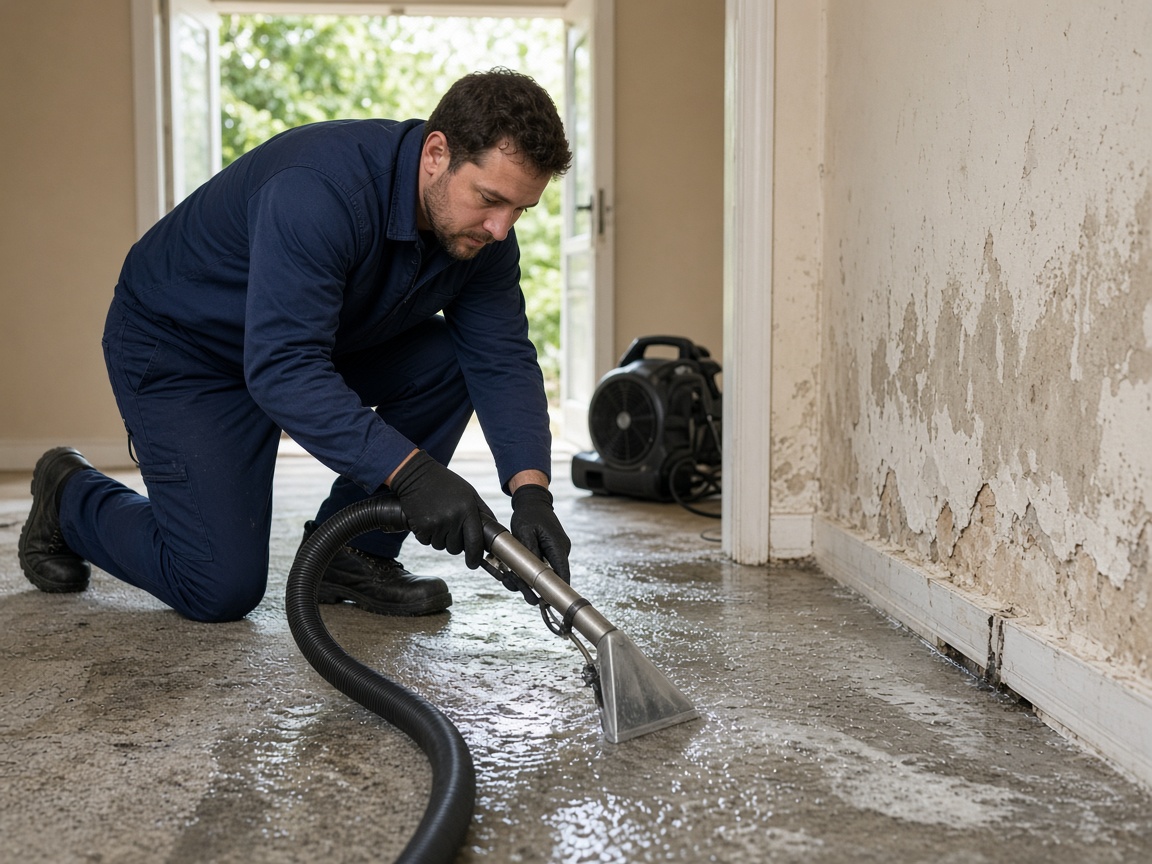
When unexpected water intrudes into your Atlanta home, whether from a sudden pipe burst in an older Midtown property or a basement flood after heavy Georgia thunderstorms, immediate action is crucial. Our team understands the unique challenges presented by the varied housing stock across the region, from historic homes in Inman Park with their original plumbing to newer developments in Cumming. We assess the specific type of water damage, from clean water from a leaky appliance to contaminated floodwaters, to determine the most effective and safe remediation strategy. Our rapid response aims to mitigate further damage, prevent mold growth, and restore your property efficiently, protecting your home's structural integrity and your family's health.
The humid climate of Georgia, especially during the long summer months, significantly accelerates mold growth in water-damaged areas. This is particularly true in poorly ventilated spaces like crawl spaces common in many homes throughout the Georgia area. After removing standing water, our focus shifts to thorough drying and dehumidification using industrial-grade equipment. We meticulously monitor moisture levels in walls, flooring, and structural elements to ensure complete dryness, preventing hidden moisture pockets that can lead to long-term issues. Our process accounts for the local building materials and typical construction methods found across the area, ensuring a comprehensive approach that addresses both visible and unseen water damage.
Effective water damage restoration goes beyond just drying out a space; it involves a detailed understanding of material saturation and potential secondary damage. For instance, water penetrating hardwood floors in a Virginia-Highland bungalow or seeping into the subflooring of a Johns Creek residence requires specialized drying techniques to prevent warping and rot. We also consider the potential for contaminated water to affect insulation, drywall, and personal belongings, requiring careful removal and sanitization. Our approach is always tailored to the specific scenario, ensuring that whether it's a small leak or a major flood near a landmark like Stone Mountain, your property is handled with the expertise required to return it to its pre-damage condition, minimizing disruption to your daily life.
Understanding Water Damage Categories
Water damage is categorized based on the source and level of contaminants, which dictates the restoration process. Category 1 involves clean water, like a burst supply line, posing minimal health risks. Category 2, or 'gray water,' comes from sources like washing machine overflows or toilet bowls with urine, carrying some contaminants. Category 3, 'black water,' is highly unsanitary, originating from sewage backups, river floods, or standing water that has been left for too long, containing pathogenic agents. Identifying the correct category is the first critical step in any restoration project, as it dictates the safety protocols, equipment, and cleaning agents required to protect both our technicians and your property. Misidentifying the category can lead to serious health hazards and ineffective restoration.
Technician insight
In Georgia, the thing that catches most people out with water damage is how quickly mold can set in, especially in the older, less-ventilated homes found in areas like Grant Park or East Atlanta. That high humidity we get means that even a small, seemingly insignificant leak can turn into a major mold problem within 24-48 hours if not addressed immediately. We often find homeowners tried to dry it themselves, only to call us later when the musty smell starts.
Basement Flood in a Historic Druid Hills Home
A homeowner in Druid Hills discovered their finished basement flooded after a heavy rainstorm overwhelmed an aging sump pump. We found several inches of standing water, saturating antique rugs and built-in bookshelves. Our team immediately extracted the water, carefully removed the damaged contents, and deployed high-capacity dehumidifiers and air movers. We then applied antimicrobial treatments to the exposed concrete and wood, preventing mold growth and restoring the basement to a dry, safe condition.
Water Restoration Services We Offer
✓Emergency Water Extraction
Rapid removal of standing water from your property using powerful pumps and vacuums to prevent further damage and prepare for drying.
✓Structural Drying & Dehumidification
Utilizing industrial-grade air movers and dehumidifiers to thoroughly dry out structural elements like walls, floors, and ceilings, preventing warping and mold growth.
✓Leak Detection & Repair Coordination
Identifying the source of water intrusion, from hidden pipe leaks to roof issues, and coordinating with plumbers or roofers for necessary repairs to prevent recurrence.
✓Contents Pack-Out & Restoration
Carefully inventorying, packing, and moving salvageable belongings to an off-site facility for specialized cleaning and restoration, then returning them once your property is dry.
✓Mold Prevention & Remediation
Applying antimicrobial treatments to prevent mold growth in damp areas and performing full mold remediation if existing colonies are detected, especially critical in Georgia's humid climate.
✓Sewage Cleanup & Sanitization
Safe and thorough cleanup of sewage backups, including removal of contaminated materials, deep cleaning, and sanitization to restore a healthy environment.
How it works
- 1
24/7 Emergency Response
Our team is available around the clock, every day of the week, to respond immediately to your water damage emergency anywhere in the Georgia area. We arrive quickly to assess the situation and begin mitigation.
- 2
Water Extraction & Damage Assessment
We use advanced equipment to extract all standing water. Simultaneously, we conduct a detailed assessment to identify the extent of the damage, categorize the water, and plan the restoration process.
- 3
Drying & Dehumidification
High-powered air movers and dehumidifiers are strategically placed to dry out all affected areas, including hidden moisture in walls and subfloors. We monitor moisture levels continually to ensure complete dryness.
- 4
Cleaning, Sanitizing & Deodorizing
Once dry, all affected surfaces are cleaned, sanitized, and deodorized to eliminate odors and prevent mold or bacterial growth, especially important after contaminated water incidents.
- 5
Restoration & Repairs
The final step involves restoring your property to its pre-damage condition. This can range from minor repairs like drywall replacement to more extensive reconstruction, ensuring a seamless finish.
Pricing
Upfront quotes provided after a thorough assessment of the water damage severity and scope.