2026-11-24 ·
Burst Pipes in Winter: Preventing and Dealing with the Aftermath in Atlanta
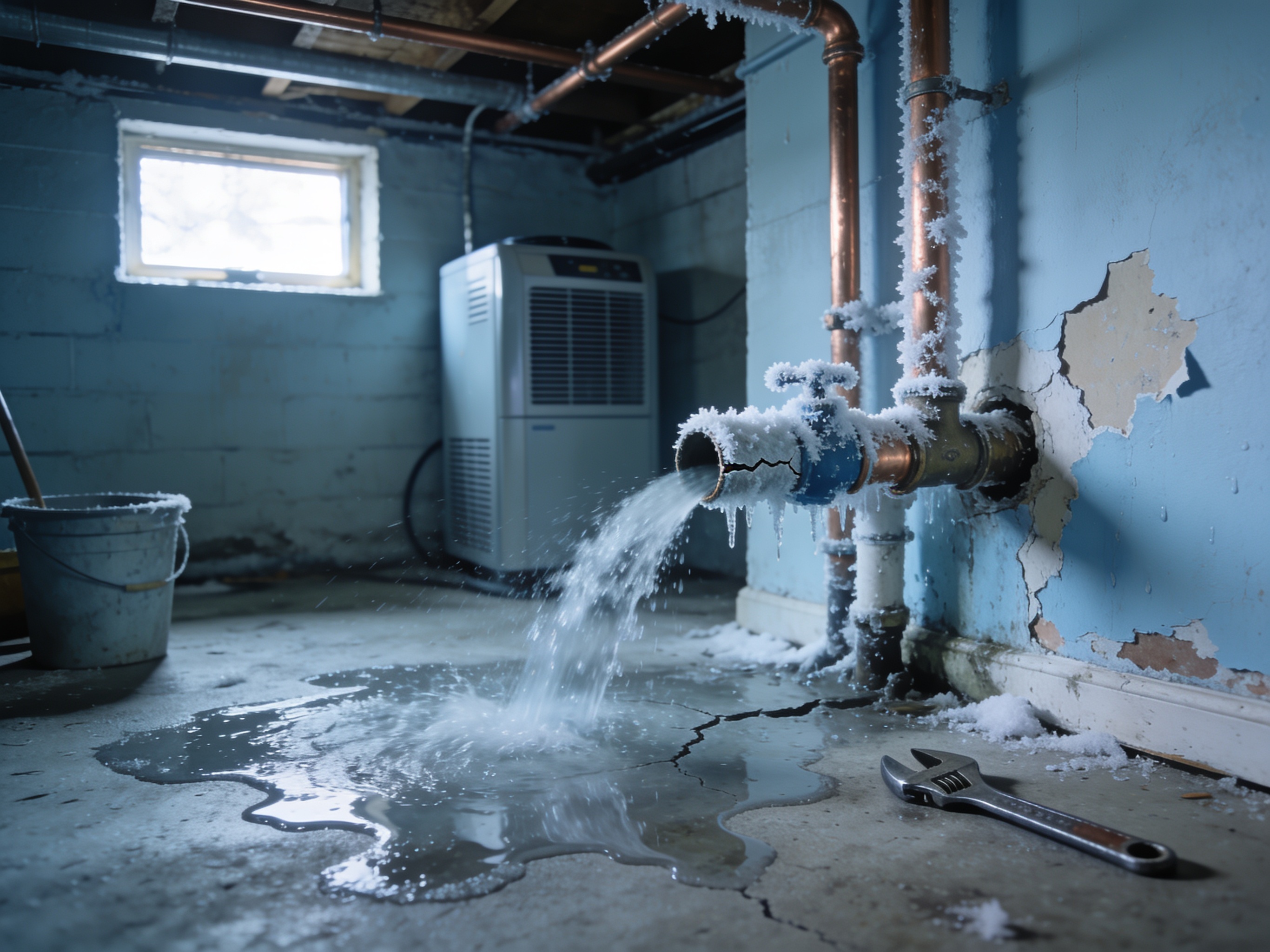
Burst pipes in Atlanta winters can indeed cause significant water damage, with repair costs typically ranging from $500 to $10,000 or more, depending on the extent of the damage, the type of pipe, and the affected areas of your home. The aftermath can include saturated drywall, ruined flooring, damaged insulation, and even structural issues, often requiring extensive water damage restoration. When temperatures drop below freezing, especially during prolonged cold snaps that occasionally hit the Georgia area, the risk of pipes freezing and bursting increases dramatically. This is particularly true for older homes in neighborhoods like Decatur or Marietta, which may have less insulated plumbing or pipes running through unheated crawl spaces or attics.
Understanding the Risk in Atlanta Homes
Atlanta's climate, while generally mild, experiences periods of freezing temperatures that can catch homeowners off guard. Unlike regions with consistently harsh winters, many homes in areas like Sandy Springs or Roswell might not have the same level of pipe insulation, making them more vulnerable. Homes with exposed pipes in basements, crawl spaces, or exterior walls are particularly susceptible. The type of pipe material also plays a role; older galvanized steel pipes or even some copper pipes can be more prone to bursting than modern PEX tubing, especially if they've already experienced some corrosion or wear. Understanding these local vulnerabilities is the first step in effective prevention.
The freezing and expansion of water within a pipe creates immense pressure, often exceeding 2,000 pounds per square inch, which is far more than any pipe can withstand. This pressure doesn't necessarily cause the burst at the point of freezing, but often further down the line where the ice blockage creates a sealed section. When the ice thaws, the released water can then flood your home rapidly. This is why even a short period of freezing weather can lead to significant issues, and why knowing your home's specific vulnerabilities is critical.
Preventing Burst Pipes: Proactive Steps for Georgia Homeowners
Taking proactive measures before winter's coldest days arrive is the most effective way to prevent burst pipes. For homes across the Georgia area, from Gainesville to Peachtree City, these steps are essential:
- Insulate Exposed Pipes: Pay close attention to pipes in unheated areas like basements, crawl spaces, attics, and garages. Use foam pipe insulation sleeves, readily available at most hardware stores, to wrap these pipes. Even pipes in exterior walls, especially those facing north, can benefit from additional insulation.
- Seal Air Leaks: Caulk and weatherstrip around windows, doors, and any openings in your foundation or exterior walls that could allow cold air to reach pipes. Even small drafts can significantly lower the temperature around pipes.
- Disconnect Hoses and Drain Exterior Faucets: Before the first hard freeze, disconnect all garden hoses from outdoor spigots. Then, open the spigots to drain any residual water from the pipes. If your home has interior shut-off valves for outdoor faucets, close them and drain the line.
- Maintain a Consistent Indoor Temperature: During cold snaps, avoid setting your thermostat too low, especially if you're leaving for an extended period. Keeping your home at 55°F (13°C) or higher can help prevent pipes from freezing, even those in less insulated areas. Consider smart thermostats for remote control.
- Open Cabinet Doors: For pipes located under sinks on exterior walls, opening cabinet doors allows warmer indoor air to circulate around the pipes, providing a bit of extra protection.
- Let Faucets Drip: During severe cold, a slow, continuous drip from faucets (both hot and cold) can relieve pressure in the pipes and help prevent freezing. While this uses a small amount of water, it's far less costly than dealing with a burst pipe.