2026-11-24 ·
Understanding Water Damage Restoration Costs in Atlanta
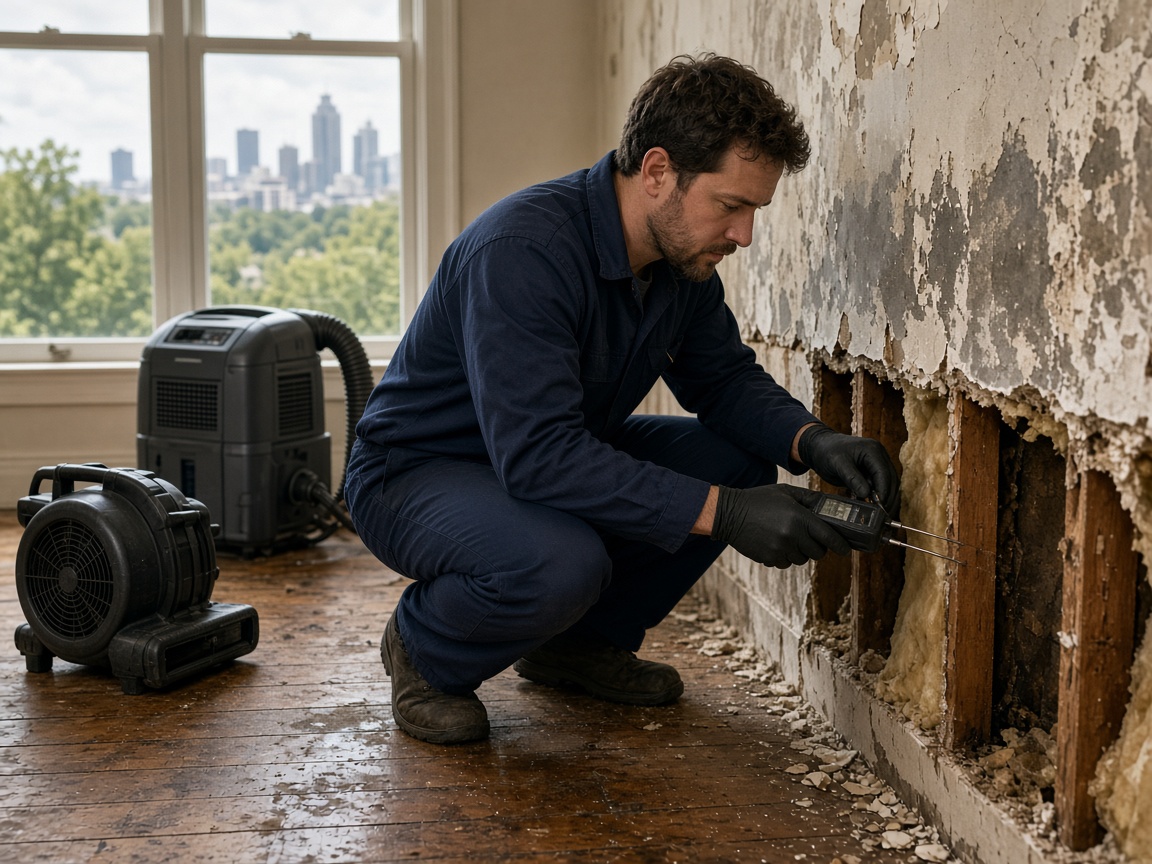
When facing water damage in your Atlanta home, one of the first questions on your mind is undoubtedly, "How much will this cost?" The reality is that <a href="/services/water-damage-restoration">water damage restoration</a> in Georgia can range from approximately $1,500 for minor, clean water issues in a small area, up to $10,000 or more for extensive damage involving contaminated water or structural repairs across multiple rooms. These figures are broad estimates, as the final price tag is heavily influenced by variables such as the water's category, the scope of the damage, the materials affected, and the necessary drying and repair protocols. For instance, a small leak under a sink in a newer home in Johns Creek might be a relatively straightforward fix, while a burst pipe in an older, historic property in Inman Park with plaster walls and hardwood floors could quickly escalate due to the complexity of drying and restoring sensitive materials.
Key Factors Influencing Water Damage Restoration Costs
Several critical elements dictate the overall expense of water damage restoration. The category of water is paramount: Category 1 (clean water from a burst pipe or overflowing sink) is less costly to remediate than Category 2 (gray water from a washing machine overflow or toilet with urine, but no feces) or Category 3 (black water from sewage backups or floodwaters from the Chattahoochee River, which carries significant health risks). The extent of the damage also plays a huge role; a small puddle in a corner is vastly different from a flooded basement requiring extensive <a href="/services/basement-flood-cleanup">basement flood cleanup</a>. Furthermore, the materials affected contribute significantly. Drywall, insulation, and carpet are relatively inexpensive to replace compared to custom cabinetry, hardwood flooring, or unique finishes found in many of Atlanta's upscale neighborhoods like Buckhead or Sandy Springs. The age of the home also matters; older homes often have unique construction materials that require specialized drying and repair techniques, adding to the cost.
Understanding Water Categories and Their Impact
The Institute of Inspection, Cleaning and Restoration Certification (IICRC) defines three primary categories of water damage, each with distinct implications for restoration costs and procedures:
- Category 1: Clean Water - This originates from a sanitary source, like a broken water supply line, overflowing bathtub, or melting ice. While posing no immediate health threat, if left untreated, it can degrade to Category 2 or 3 over time. Restoration typically involves extraction, drying, and sanitization, with costs on the lower end, perhaps $1,500–$4,000 for a contained incident.
- Category 2: Gray Water - This contains a significant level of chemical, biological, or physical contaminants, potentially causing discomfort or illness if ingested. Sources include washing machine overflows, dishwasher discharges, or toilet overflows with urine. Remediation requires more aggressive cleaning and often removal of porous materials, pushing costs into the $3,000–$7,000 range.
- Category 3: Black Water - Grossly contaminated and posing a severe health risk, black water includes sewage backups, rising floodwaters from rivers like the Chattahoochee, or stagnant water that has been left untreated for an extended period. This category necessitates immediate and thorough removal of all affected porous materials, extensive sanitization, and often structural drying. Costs for Category 3 water damage can easily exceed $7,000 and reach $15,000 or more, especially if mold growth has begun.
Scope of Damage and Affected Materials
The physical area and specific materials impacted by water intrusion are critical cost drivers. A small leak affecting a few square feet of drywall and carpet in a guest bathroom in Decatur will naturally be less expensive to address than a major pipe burst that floods an entire finished basement in Alpharetta. Consider these factors:
- Size of the Affected Area: Measured in square footage, larger areas require more equipment, labor, and time for drying and restoration.
- Type of Materials: Porous materials like carpet, drywall, insulation, and untreated wood absorb water readily and often require removal and replacement, particularly with Category 2 or 3 water. Non-porous materials like tile, concrete, and metal are easier to clean and dry, reducing restoration costs. The prevalence of older homes in areas like Grant Park or Virginia-Highland, with their original hardwood floors and plaster walls, often means more complex and costly drying processes compared to newer construction with modern building materials.