2026-11-24 ·
Maintaining Gutters and Downspouts to Prevent Water Damage in Atlanta
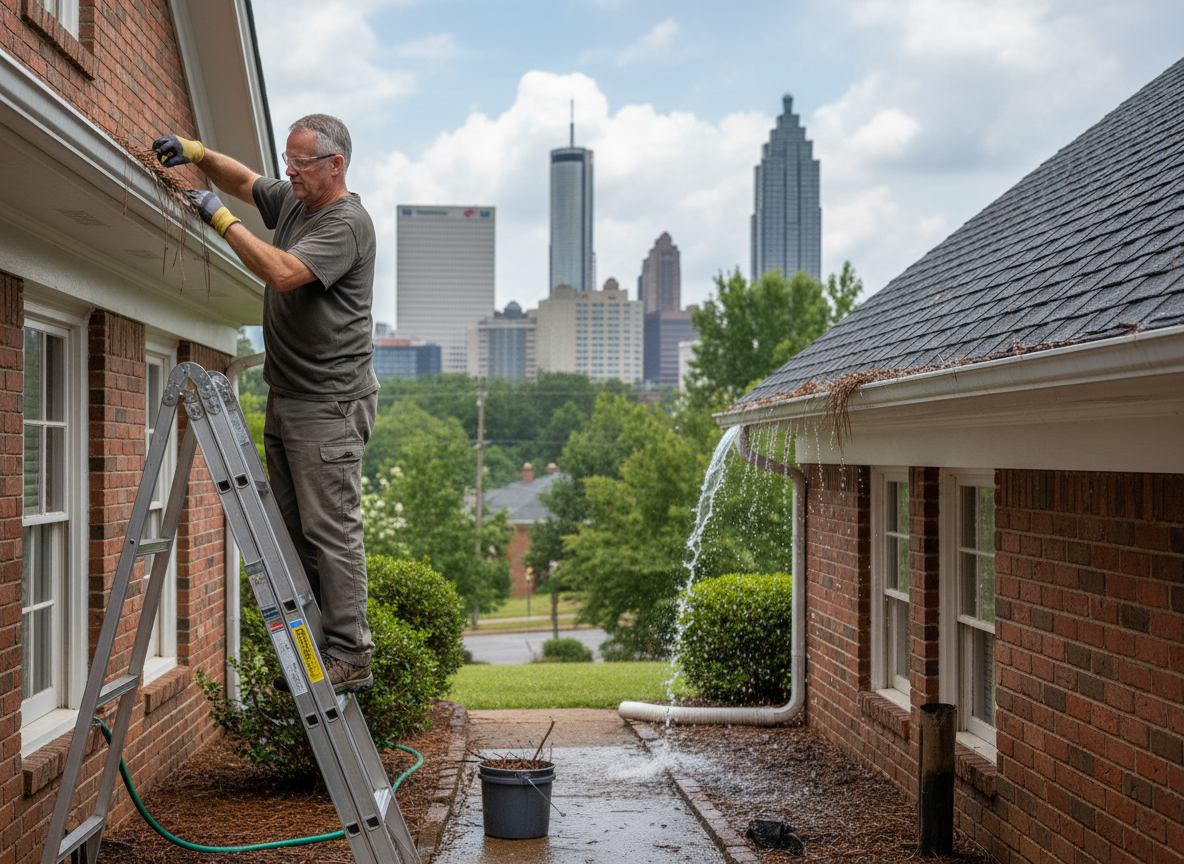
Maintaining your gutters and downspouts is a critical, yet often overlooked, aspect of homeownership in Atlanta, Georgia, and its surrounding areas. With our region's subtropical climate, characterized by warm, humid summers and mild winters, we frequently experience heavy thunderstorms and sustained rainfall, particularly during spring and summer months. These weather patterns mean that your home's drainage system works overtime, making its proper function essential to prevent costly water damage. A well-maintained gutter system effectively channels thousands of gallons of water away from your foundation, protecting your basement, crawl space, and landscaping from erosion and saturation. Neglecting this simple maintenance can lead to overflowing gutters, which can cause fascia rot, foundation cracks, and even significant interior water intrusion, necessitating professional Water Damage Restoration services.
Understanding Your Gutter System's Role in Atlanta's Climate
In Atlanta, from the historic homes in Inman Park to the newer constructions in Johns Creek or Alpharetta, a functional gutter and downspout system is your first line of defense against the elements. Our local climate, with its frequent, intense downpours, puts considerable stress on these systems. When gutters become clogged with leaves, pine needles – especially from the abundant pine trees common across Fulton and DeKalb counties – and other debris, water has nowhere to go but over the sides. This cascading water can saturate the ground directly around your foundation, leading to hydrostatic pressure against basement walls. Over time, this pressure can force water through cracks in the foundation, resulting in Basement Water Cleanup and potential structural issues. Furthermore, prolonged moisture against siding and window frames can lead to wood rot and mold growth, which are common problems we see in older Atlanta homes.
Essential Gutter Cleaning Practices for Atlanta Homes
Regular cleaning is the cornerstone of effective gutter maintenance. For most homes in the Atlanta area, especially those surrounded by mature trees, cleaning your gutters at least twice a year is recommended – typically in late spring after pollen season and again in late fall after most leaves have dropped. However, if your property is heavily treed, you might need to clean them more frequently, perhaps quarterly. When cleaning, remove all debris by hand or with a gutter scoop, then flush the gutters and downspouts with a garden hose. This helps identify any hidden clogs in the downspouts. Pay close attention to areas where roof valleys converge, as these spots tend to accumulate debris faster. Neglecting this can lead to standing water, which not only attracts mosquitoes but also accelerates corrosion and deterioration of the gutter material.
Step-by-Step Gutter Cleaning Guide
- Safety First: Always use a stable ladder and have someone spot you. If your roof is steep or you're uncomfortable with heights, consider hiring a professional. Many homeowners in areas like Marietta or Roswell opt for this service due to the height of their homes or the sheer volume of trees.
- Remove Large Debris: Start by removing leaves, twigs, and other large debris from the gutter troughs. A small trowel or gutter scoop can be very helpful.
- Flush with Water: Once the large debris is clear, use a garden hose to flush water through the gutters and downspouts. Watch for water flow at the bottom of each downspout. If water backs up or overflows, you have a clog.
- Clear Downspout Clogs: For stubborn downspout clogs, try using a plumber's snake or a high-pressure nozzle on your hose. Sometimes, disassembling the bottom section of the downspout is necessary to clear a blockage.
- Inspect for Damage: While cleaning, take the opportunity to inspect your gutters for any signs of damage, such as cracks, sagging sections, loose fasteners, or rust. These issues, if left unaddressed, can compromise the entire system.
Inspecting and Repairing Common Gutter Issues
Beyond cleaning, routine inspection is vital. Look for signs of wear and tear or damage that could impede proper water flow. Common issues in Atlanta homes include sagging gutters, which often indicate loose hangers or accumulated weight from debris and water. These need to be re-secured or reinforced to ensure a proper slope towards the downspouts. Leaky seams are another frequent problem, particularly with older aluminum or galvanized steel gutters. These can often be sealed with gutter sealant, but severely corroded sections might require replacement. Also, check your downspouts for proper attachment and ensure they extend far enough from your foundation – ideally at least 5–10 feet – to prevent water from pooling near your home. If you notice signs of water damage inside your home, such as stained ceilings or damp walls, it's crucial to address the gutter issue promptly to avoid more extensive Home Water Damage Repair.
Gutter Guards: A Solution for Atlanta's Debris
For homeowners in heavily wooded areas of Atlanta, such as those near Stone Mountain Park or in the more rural parts of Gwinnett County, gutter guards can be a worthwhile investment. These systems, which come in various forms like mesh screens, reverse curves, or fine micro-mesh, are designed to prevent leaves and large debris from entering the gutter while allowing water to flow through. While no gutter guard system is entirely maintenance-free, they significantly reduce the frequency of cleaning. They can be particularly beneficial for homes with tall trees, where manual cleaning is more challenging and risky. However, it's important to choose a system that can handle the heavy rainfall typical of Georgia, as some designs can be overwhelmed during intense downpours, leading to water overflowing the guards and still causing issues.