2026-11-24 ·
Odor Removal After Water Damage: Restoring Freshness to Your Atlanta Home
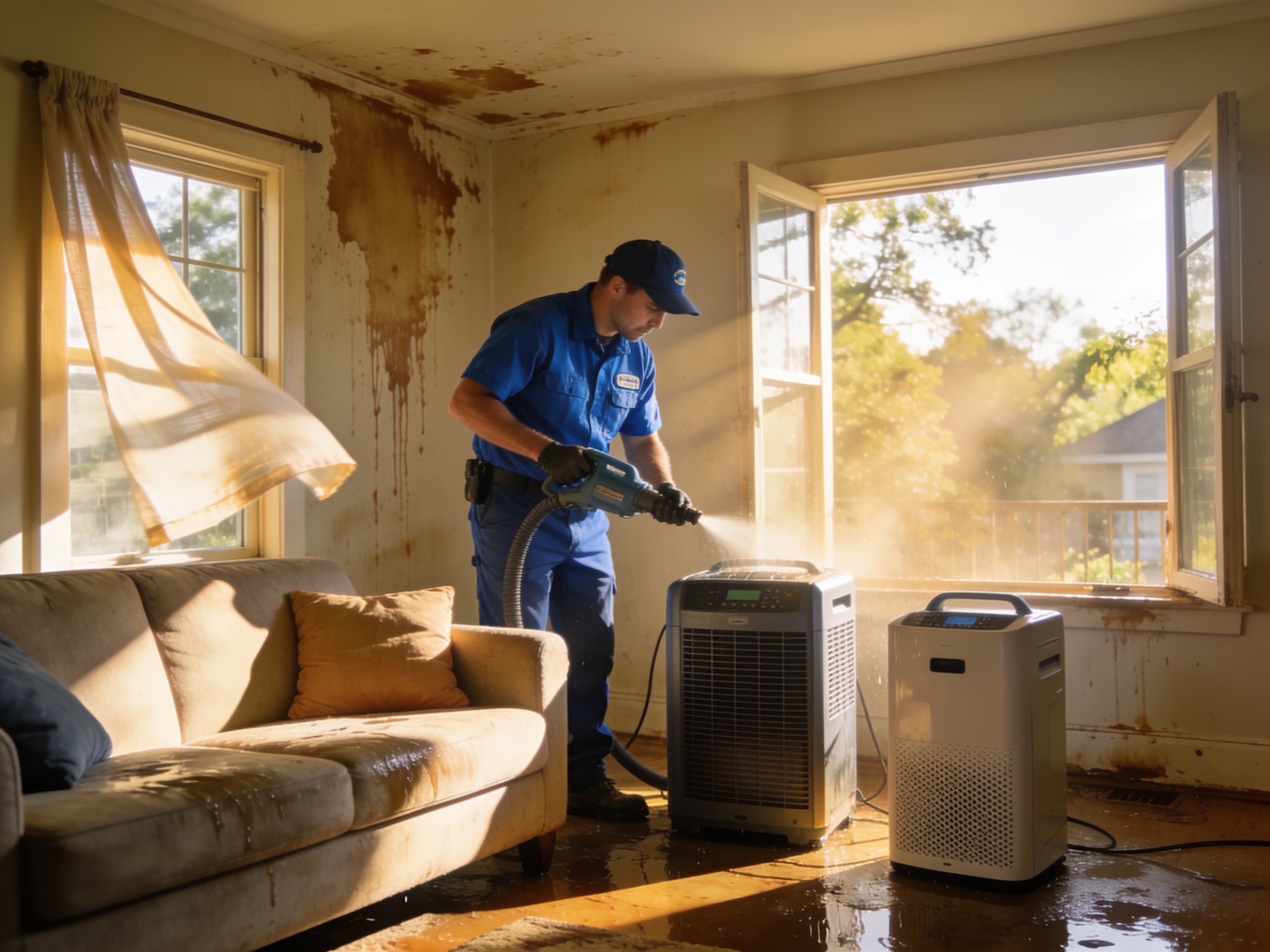
Odor removal after water damage in your Atlanta home is not just about masking smells; it requires a comprehensive approach to eliminate the source, which typically involves thorough drying, cleaning, and sometimes specialized treatments. The timeline for complete odor elimination can vary significantly, ranging from a few days for minor, quickly addressed issues to several weeks or even months for severe, long-standing water damage, especially if mold has begun to proliferate in hidden areas like wall cavities or under flooring. Factors like the type of water (clean, gray, or black water), the duration of exposure, and the materials affected all play a critical role in the intensity and persistence of the odors. For instance, a leaky pipe in a modern Sandy Springs home might be a quicker fix than extensive flooding in an older Decatur property with more absorbent materials.
Identifying the Source of Water Damage Odors
The first and most critical step in effective odor removal is accurately identifying the source of the water damage and the subsequent odors. In the Georgia area, given our humid climate and occasional heavy rainfall, water can infiltrate homes through various avenues, from leaky roofs common in older homes in areas like Marietta to overflowing washing machines in newer constructions in Johns Creek. The odor itself can offer clues: a musty, earthy smell almost always indicates mold or mildew growth, while a sewage-like odor points to contaminated water, a far more serious issue requiring immediate attention. We've seen countless cases where homeowners in places like Alpharetta mistook a persistent musty smell for general dampness, only to discover significant mold behind baseboards or under floorboards. Proper identification ensures that the remediation efforts target the root cause, preventing the odor from returning. This initial assessment is crucial for developing an effective strategy, whether it involves simple drying or extensive material removal and sanitation.
The Role of Thorough Drying and Dehumidification
Once the water source is contained, aggressive drying and dehumidification are paramount. This phase is non-negotiable for preventing further microbial growth and reducing odors. In Atlanta's often-humid environment, simply opening windows isn't enough. Professional-grade air movers and dehumidifiers are essential to rapidly reduce moisture levels in affected materials and the ambient air. We typically deploy high-capacity axial air movers to create airflow across wet surfaces, accelerating evaporation, and industrial-strength low-grain refrigerant (LGR) dehumidifiers to extract moisture from the air. For homes in areas like Roswell or Dunwoody, where older construction might have less effective vapor barriers, this process can take longer, often 3–5 days, to bring moisture content down to acceptable levels. Without proper drying, residual moisture will continue to fuel mold and bacteria, perpetuating the unpleasant smells. This is a core component of any effective Water Damage Restoration strategy.
Cleaning and Sanitizing Affected Surfaces
After drying, thorough cleaning and sanitizing of all affected surfaces are necessary. This step physically removes odor-causing residues, mold spores, and bacteria. Depending on the severity and type of water damage, this could involve scrubbing hard surfaces like tile and concrete, or more intricate cleaning of porous materials. For instances involving contaminated water, such as a sewage backup in a basement in College Park, surfaces must be treated with EPA-registered antimicrobial agents to kill harmful bacteria and pathogens. Even in cases of clean water, like an appliance leak in a Mableton kitchen, residual organic matter can become a food source for microbes, leading to odors. We use specialized cleaning solutions that break down odor molecules rather than just masking them. Materials that cannot be effectively cleaned and sanitized, such as heavily contaminated drywall or saturated insulation, must be safely removed and disposed of to prevent ongoing odor issues and potential health risks. This is especially true for subflooring or wall cavities that have been exposed to moisture for an extended period, which are common issues in older homes across the Georgia area.
Addressing Lingering Odors with Specialized Treatments
Even after thorough drying and cleaning, some stubborn odors can persist, particularly in porous materials or if the damage was extensive. This is where specialized odor removal treatments come into play. Techniques like hydroxyl generation or ozone treatment are highly effective. Hydroxyl generators use a broad spectrum of UV light to create hydroxyl radicals, which are powerful oxidizing agents that neutralize odor molecules at a molecular level. They are safe for use in occupied spaces and on sensitive materials. Ozone generators, on the other hand, produce ozone (O3), a strong oxidant that breaks down odor-causing compounds. However, ozone is harmful to humans, pets, and plants, so areas must be evacuated during treatment. We carefully assess each situation to determine the most appropriate and safest method. For homes in densely populated areas like Smyrna, where air circulation might be limited, these advanced treatments can be crucial for completely eliminating pervasive musty or sour smells, ensuring true freshness returns to your living space. Sometimes, even after the main water issue is resolved, a lingering smell can point to a hidden pocket of dampness, a common challenge in the humid Georgia climate.
When to Call a Professional for Odor Removal
While some minor water issues can be tackled by homeowners, persistent or severe odors, especially those accompanied by visible mold growth, warrant professional intervention. Professionals have the specialized equipment, training, and experience to effectively identify and eliminate the source of odors, even in hidden areas. Our team, serving Georgia and surrounds, is available 24/7 for Emergency Water Damage and odor remediation. We understand the unique challenges presented by our local climate, from the intense summer humidity that accelerates mold growth to the sudden downpours that can overwhelm drainage systems. Trying to DIY extensive odor removal can often lead to incomplete remediation, allowing odors to return and potentially exacerbating mold problems. An expert can ensure that all affected areas are properly dried, cleaned, and treated, providing a long-term solution to restore the air quality and comfort of your Atlanta home. If you're dealing with a significant water event, such as a Basement Flood Cleanup, professional help is almost always necessary.