2026-11-24 ·
Preventing Water Damage During Vacation: A Checklist for Atlanta Homeowners
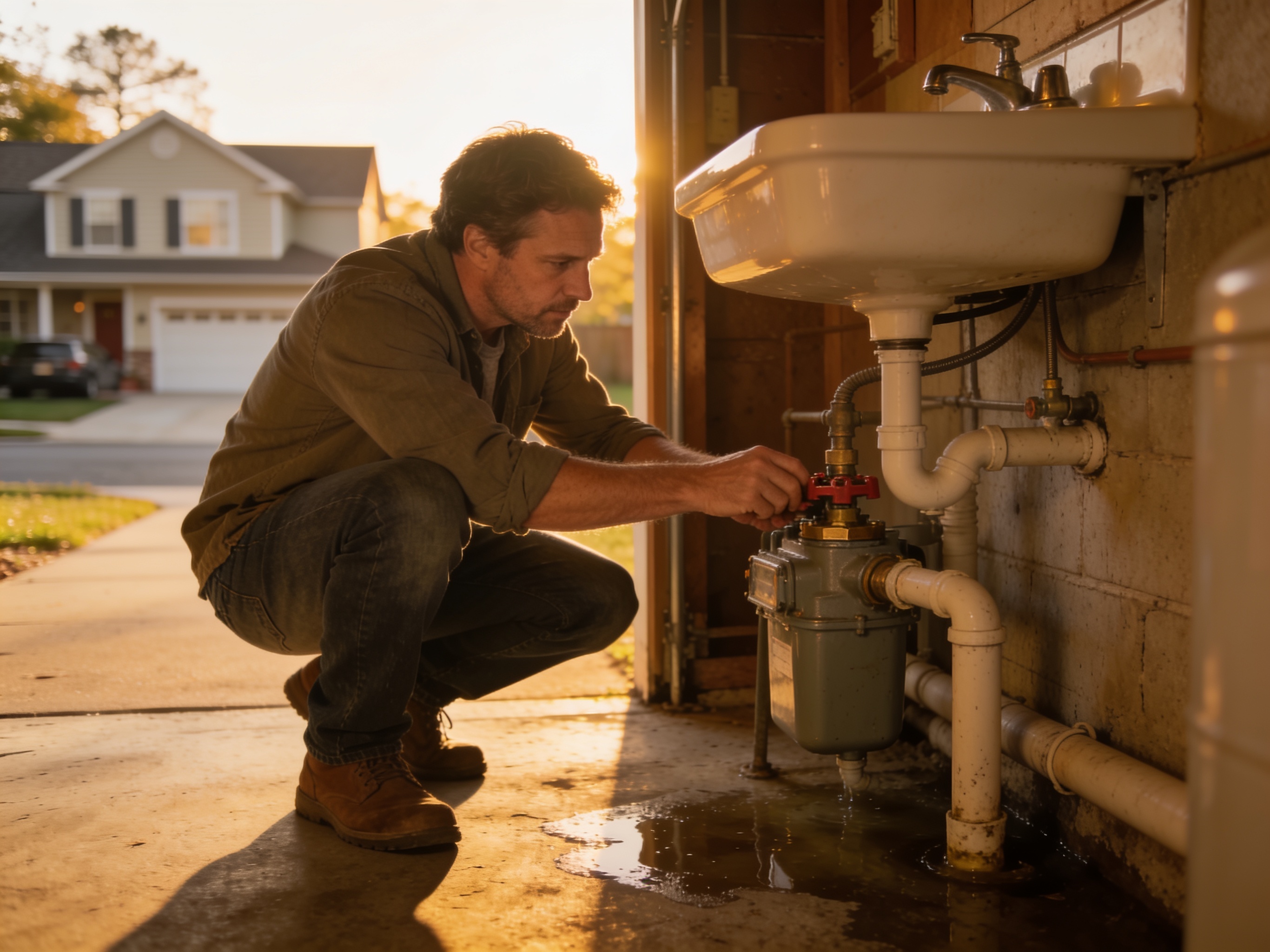
Preventing water damage in your Atlanta home while on vacation primarily involves two key actions: shutting off the main water supply and inspecting potential leak sources before you leave. These steps can drastically reduce the chance of returning to a disaster, especially in Georgia's humid climate where even a small leak can quickly lead to extensive damage and mold growth. Given that many homes across Atlanta, from the historic bungalows in Grant Park to the newer constructions in Johns Creek, rely on plumbing systems that are constantly under pressure, a burst pipe or a failing appliance can release hundreds of gallons of water per hour. Taking just an hour or two to go through a comprehensive checklist before your trip can be the difference between a peaceful return and needing immediate emergency water damage services.
Shutting Off Your Main Water Supply
The single most effective step you can take to prevent major water damage while away is to turn off your home's main water supply. This simple action eliminates the risk of burst pipes, appliance failures, or toilet overflows causing continuous flooding. In many Atlanta-area homes, the main shut-off valve is located near the water meter, often at the street or in a utility box near the foundation. For homes in neighborhoods like Decatur or Marietta, where older plumbing systems are common, this valve might be found in the basement or utility closet. Once the main valve is off, open a few faucets on the lowest level of your home, like a utility sink or an outdoor spigot, to drain any remaining water from the pipes. This relieves pressure and prevents potential freezing damage if you're traveling during a rare cold snap, although sustained freezes are less common in the mild Georgia winters.
Inspecting Appliances and Fixtures
Before you lock up and leave, take a few minutes to inspect all water-connected appliances and fixtures. This includes your washing machine, dishwasher, refrigerator's ice maker line, and water heater. Look for any signs of corrosion, kinks in hoses, or small drips that could escalate into a major leak. Washing machine hoses, especially the older rubber ones, are notorious for bursting. Consider upgrading to braided stainless steel hoses, which are far more durable. For your water heater, located in many Atlanta homes in the garage or a utility closet, check the pressure relief valve and the area around the base for any pooling water or rust. If you're going to be away for an extended period, it's also wise to turn off the water supply to individual toilets and sinks by using their local shut-off valves, which are usually located underneath the fixture. This adds an extra layer of protection against unexpected failures.
Addressing Your Water Heater
Your water heater is a significant potential source of water damage, especially if it's nearing the end of its lifespan, typically 8–12 years. Before leaving your Atlanta home, you have a few options. For shorter trips (a few days), you can simply turn down the thermostat to the lowest setting or the 'vacation' mode, if available. For longer vacations, it's highly recommended to turn off your water heater entirely. If it's an electric unit, flip the circuit breaker in your electrical panel. For a gas water heater, turn the gas control knob to the 'vacation' or 'pilot' setting. This not only prevents potential leaks from a failing tank while you're away but also saves energy. While draining the tank isn't usually necessary for a standard vacation, if you're leaving for several months, fully draining it can prevent sediment buildup and prolong its life. Remember that when you return, it will take some time for the water to heat up again.
Exterior Water Management
Don't forget the outside of your Atlanta home when preparing for vacation. Clear gutters and downspouts of leaves and debris, a common issue in tree-lined neighborhoods like Buckhead or Sandy Springs, to ensure proper drainage during Georgia's frequent summer thunderstorms. Clogged gutters can cause rainwater to overflow, leading to fascia damage or foundation issues. Disconnect all garden hoses from outdoor spigots to prevent pressure buildup and potential pipe bursts, especially if there's any chance of a cold snap. Ensure your landscaping directs water away from your foundation. If you have an irrigation system, either turn it off or set it to a minimal schedule, especially if rain is in the forecast. Even a small amount of standing water near your foundation can seep into your basement or crawl space over time, potentially requiring basement water cleanup upon your return.
Monitoring and Emergency Contacts
Even with all precautions, unforeseen events can occur. Consider investing in smart home leak detectors that can send alerts to your phone if water is detected. These small devices can be placed near water heaters, under sinks, and in basements, offering peace of mind. Share your vacation dates and emergency contact information with a trusted neighbor or friend who can check on your home periodically. Provide them with a key and instructions on how to access your main water shut-off valve, just in case. Ensure they know how to reach you and have contact information for local emergency services, including a reliable water damage contractor in the Atlanta area. Having someone local who can respond quickly is invaluable if a problem arises, minimizing the extent of potential damage and the need for extensive water damage restoration work.
By following this checklist, Atlanta homeowners can significantly reduce the risk of returning to a water-damaged home. While no plan is foolproof, these proactive steps address the most common causes of residential water incidents. Taking a little time before your trip can save you considerable stress and expense, allowing you to fully enjoy your vacation knowing your home is as secure as possible.