2026-11-24 ·
Protecting Your Valuables During Water Damage Restoration in Atlanta
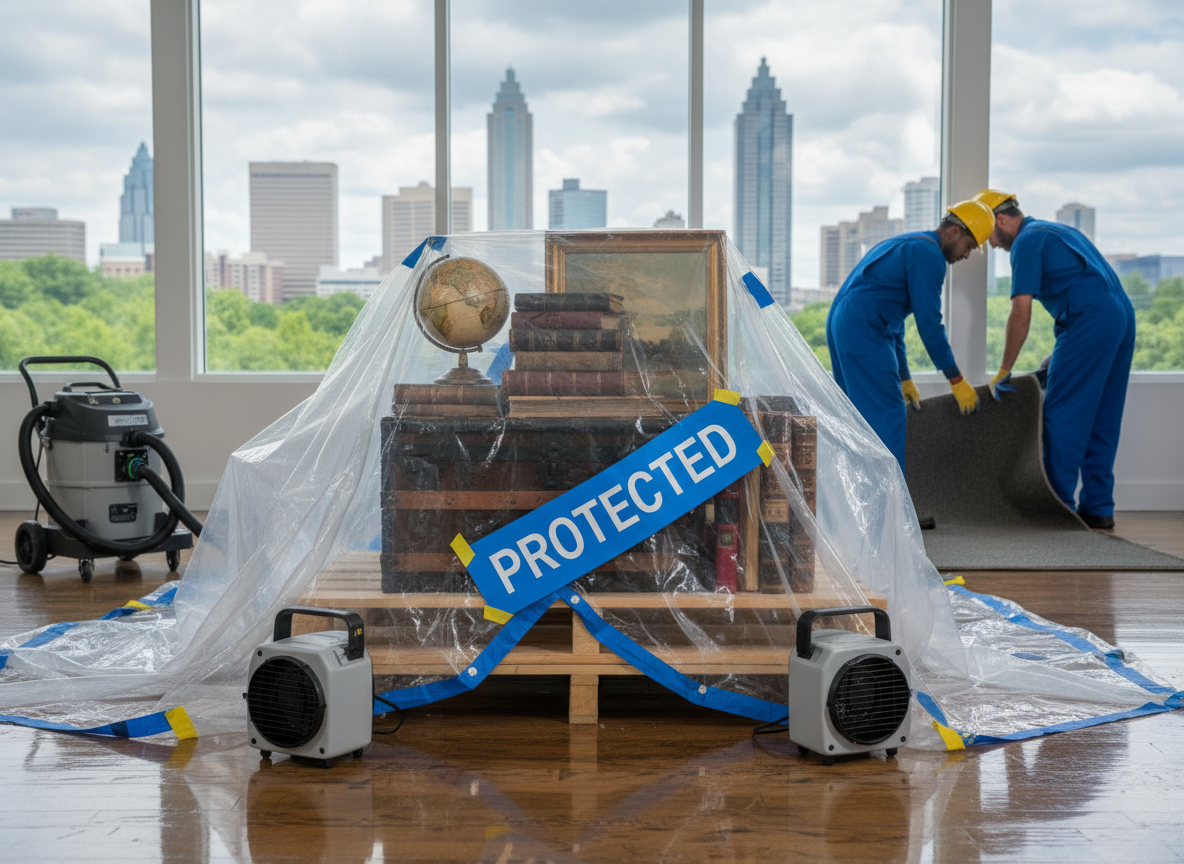
Protecting your valuables during water damage restoration in Atlanta involves a systematic approach of assessment, careful removal, proper storage, and professional cleaning, with the timeline varying based on the extent of damage and the type of item. For minor incidents in a single room, you might secure items within hours, while significant flooding across a larger property, common after the intense thunderstorms that roll through areas like Marietta or Sandy Springs, could mean a multi-day effort to catalog and move everything. The key is acting quickly and thoughtfully to prevent secondary damage like mold growth or permanent staining, which can rapidly affect items in Georgia’s humid climate. Understanding which items are most vulnerable and having a plan to address them efficiently can make a substantial difference in their recovery.
Immediate Steps to Secure Valuables
The moment you discover water damage, your first priority, after ensuring safety and stopping the water source, should be to secure easily movable and highly valuable items. In many Atlanta homes, especially older properties in neighborhoods like Decatur or Virginia-Highland, water can quickly wick up walls and into furniture, making rapid action crucial. Start with electronics, important documents, family photos, and small heirlooms. These items are often irreplaceable and highly susceptible to water damage. Disconnect all electronics from power sources to prevent electrical hazards and further damage. Gently blot excess water from surfaces where these items rest, but avoid rubbing, which can spread contaminants or damage delicate finishes. For documents and photos, air drying in a cool, well-ventilated space, away from direct sunlight, is often the best initial step, though professional restoration may be needed for severe saturation.
Categorizing and Prioritizing Your Belongings
Not all valuables are created equal when it comes to water damage. Establishing a priority list helps streamline the protection process, especially when dealing with widespread issues like a burst pipe in a basement in Johns Creek or a roof leak after a heavy storm in Alpharetta. Categorize items into three groups: irreplaceable, replaceable but valuable, and easily replaceable/low value. Irreplaceable items include sentimental photographs, unique artwork, and family heirlooms. Replaceable but valuable items might be high-end electronics, designer clothing, or antique furniture. Easily replaceable items could be everyday kitchenware or common books. Focus your immediate efforts on the first two categories. This strategic approach ensures that your most cherished and financially significant possessions receive prompt attention, maximizing their chances of recovery. For items that are already significantly wet, especially those from 'category 3' water (sewage), professional assessment is critical to determine salvageability.
Safe Removal and Temporary Storage
Once prioritized, the next step is the safe removal and temporary storage of your belongings. For smaller items, use plastic bins with airtight lids to prevent further moisture exposure. For furniture, especially pieces with wooden legs or upholstered bases common in Georgia homes, place aluminum foil or plastic blocks under the feet to prevent direct contact with wet flooring and inhibit staining. Move items to a dry, unaffected area of your home, such as an upstairs room if the damage is downstairs, or to a climate-controlled storage unit. When moving items, be mindful of their condition; saturated items are heavier and more fragile. For large, heavy furniture, enlist help to avoid injury or further damage. If your home has sustained significant water damage, consider a professional service for /services/emergency-water-removal-near-me to expedite the drying process in affected areas, which indirectly protects items left behind.
Documenting Damage for Insurance Claims
Thorough documentation is paramount for a smooth insurance claim process. Before moving any items, take clear photographs and videos of the water damage and its impact on your valuables. Capture wide shots of affected rooms and close-ups of damaged items. This visual evidence provides crucial support for your claim. Create an itemized list of damaged belongings, including a description, estimated value, and date of purchase if known. Keep receipts or appraisals for high-value items readily accessible. This meticulous record-keeping is vital, as insurance adjusters will rely on this information to assess your losses. The more detail you provide, the easier it will be to justify your claim and ensure you receive appropriate compensation for your damaged possessions. Remember, your insurance company will want to see the extent of the damage before restoration begins.
Professional Cleaning and Restoration for Valuables
While some items can be air-dried or surface-cleaned at home, many valuables, especially those made of porous materials like wood, fabric, or paper, require professional cleaning and restoration. Water-damaged books, for instance, can warp, mold, or stick together if not dried correctly. Expert restorers have specialized equipment, such as freeze-drying chambers for documents and controlled drying environments for furniture, that can salvage items often deemed lost. For textiles and upholstered furniture, professional cleaning can remove water stains, odors, and prevent mold growth. In areas like Gainesville or Dacula, where humidity can be persistent, mold can set in within 24–48 hours, making professional intervention critical for items that have been exposed for any length of time. Choosing a reputable /services/water-damage-restoration company in Atlanta ensures your cherished items are handled with the care and expertise they need to be returned to their pre-damage condition.