2026-11-24 ·
Roof Leaks and Water Damage: Addressing Issues in Atlanta's Climate
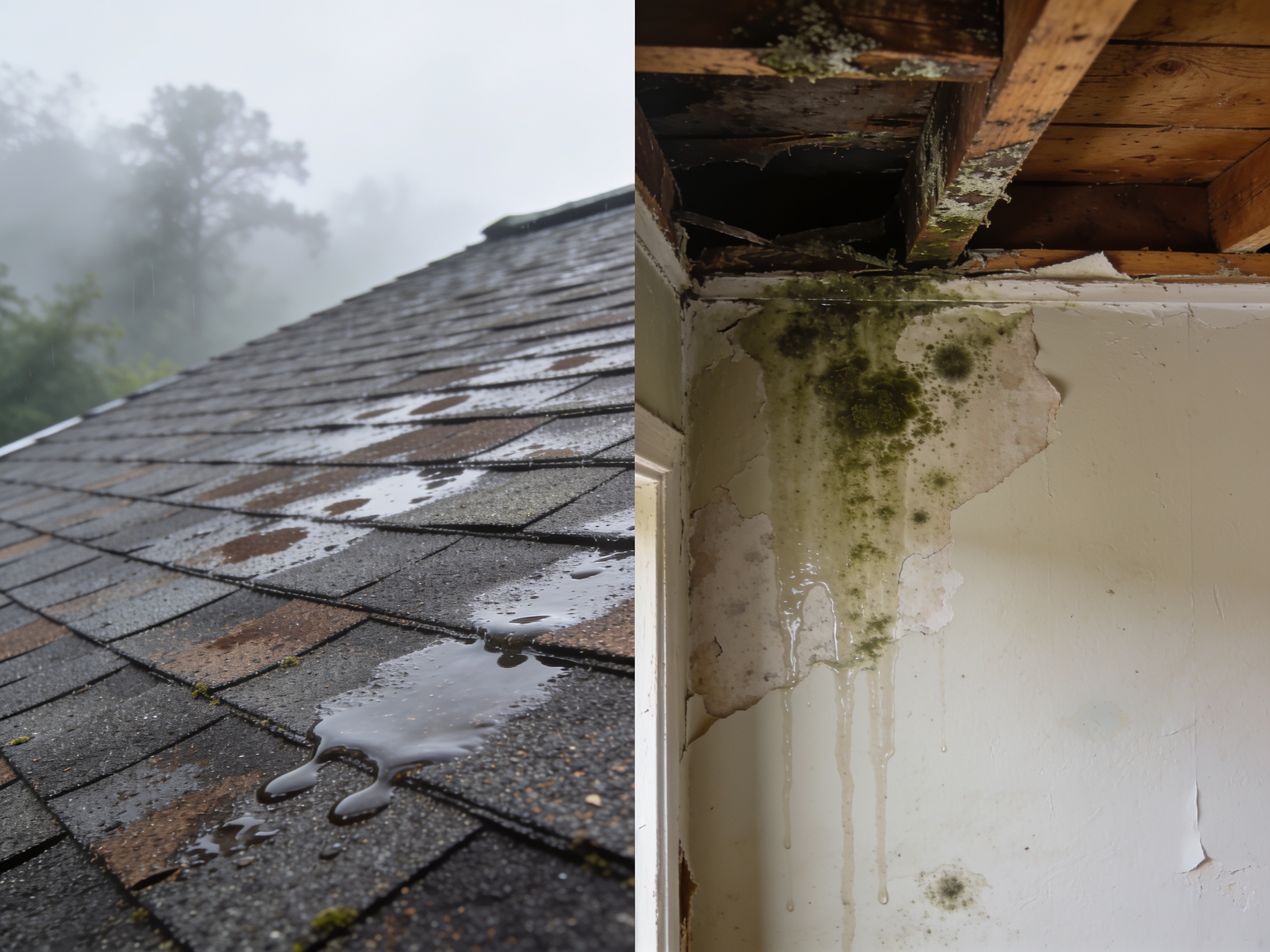
Addressing roof leaks and the resulting water damage in Atlanta's climate often requires swift action due to our region's propensity for heavy rainfall, strong winds, and fluctuating temperatures. Homeowners in areas like Marietta, Roswell, and Alpharetta frequently encounter issues ranging from compromised shingles after a summer thunderstorm to ice damming during a rare winter freeze. The average cost for minor roof leak repairs can range from $300 to $1,000, but if the leak has led to significant interior water damage, such as soaked drywall, insulation, or flooring, the total restoration could easily climb to $3,000 to $10,000 or more, depending on the extent and duration of the moisture intrusion. Ignoring even a small leak can lead to widespread structural damage, hazardous mold growth, and a much more extensive — and expensive — remediation process down the line. Early detection and professional intervention are paramount to mitigating these costs and protecting your property.
Atlanta's Climate and Roof Vulnerabilities
Atlanta's weather patterns present specific challenges to residential roofing systems. Our hot, humid summers, often punctuated by intense thunderstorms, can accelerate the aging of roofing materials. The sun's UV rays degrade asphalt shingles over time, making them brittle and prone to cracking. Then, when heavy downpours hit, these weakened areas become prime entry points for water. Furthermore, the strong winds that often accompany these storms can lift or tear off shingles, especially on older roofs, creating immediate vulnerabilities. While less frequent, winter weather can also contribute to leaks. Freezing temperatures, particularly after a period of snow or ice, can lead to ice damming along eaves, forcing meltwater back up under shingles and into attic spaces. This is a particular concern for homes in neighborhoods with older construction, where insulation and ventilation might not be optimal, exacerbating the problem.
The constant expansion and contraction of roofing materials due to Georgia's temperature swings also play a significant role. From the sweltering heat of July to the occasional cold snaps in January, this thermal cycling puts stress on sealants, flashing, and the roofing membrane itself, leading to cracks and separations. This is why regular roof inspections are not just a recommendation but a necessity for homeowners in the greater Atlanta area, from Cumming down to Peachtree City. Proactive maintenance can catch these minor issues before they escalate into major water intrusions, saving homeowners considerable stress and expense. Understanding these local climate impacts is the first step in effective roof leak management.
Common Signs of a Roof Leak
Identifying a roof leak early can prevent extensive water damage and mold growth. Many signs are subtle initially but become more apparent as the problem progresses. One of the most obvious indicators is water stains on ceilings or walls, often appearing as discolored patches that expand over time. These stains might be yellowish, brownish, or even show bubbling paint. Another common sign is a musty odor in your attic or upper floors, which often points to hidden moisture and potential mold growth, even if you don't see visible water. Check your attic regularly, especially after heavy rains, for signs of moisture on insulation, rafters, or the underside of the roof deck.
Outside, look for missing, cracked, or curled shingles. Pay attention to areas around chimneys, skylights, and vent pipes, as these are common points of failure where flashing can degrade or separate. Granules from asphalt shingles accumulating in gutters can indicate that your roof is aging and losing its protective layer, making it more susceptible to leaks. Even a small drip can lead to significant issues over time, compromising structural integrity and creating an environment ripe for mold. If you notice any of these signs, it's crucial to address them promptly to prevent a minor leak from becoming a major water damage restoration project.
The Dangers of Unaddressed Water Damage
Ignoring a roof leak, no matter how small, can lead to a cascade of problems that extend far beyond a damp ceiling. The most immediate concern is structural damage. Water saturates wood framing, weakening beams, joists, and roof decking. Over time, this can compromise the structural integrity of your home, potentially leading to costly repairs. Furthermore, wet insulation loses its R-value, reducing your home's energy efficiency and driving up utility bills, a significant consideration in Atlanta's hot summers and cool winters. Water can also damage electrical wiring, creating fire hazards or electrical shorts that are both dangerous and expensive to fix.
Beyond structural issues, unaddressed water damage is a prime breeding ground for mold and mildew. Within 24 to 48 hours of moisture exposure, mold spores can begin to proliferate, spreading rapidly through your home. Mold not only causes unpleasant odors and further damage to materials but can also pose health risks, particularly for individuals with respiratory issues. For more insights into how quickly water damage can escalate, you might find our article on Common Causes of Water Damage in Atlanta Homes helpful. Addressing roof leaks promptly is not just about fixing a wet spot; it's about protecting your entire home and the health of its occupants from a range of severe consequences.
Professional Water Damage Restoration and Mold Remediation
When a roof leak has led to significant interior water damage, professional intervention becomes essential. Atlanta Water Damage Restoration LLC is available 24/7, every day of the week, to respond to these emergencies. Our first step in any water damage scenario is to quickly assess the extent of the damage, identifying all affected areas, including hidden pockets of moisture that might not be immediately visible. This often involves using specialized equipment like moisture meters and thermal imaging cameras to detect moisture behind walls, under flooring, and within insulation. Our goal is to prevent secondary damage and halt the progression of mold growth.