2026-11-24 ·
Storm Preparedness: Protecting Your Atlanta Home from Water Damage
Protecting your Atlanta home from water damage during a storm is absolutely achievable through a combination of diligent maintenance and strategic preparedness. The key lies in understanding the local climate and how it impacts our homes here in Georgia. With our humid subtropical climate, Atlanta experiences frequent, intense thunderstorms, especially during spring and summer, often accompanied by heavy rainfall in short periods. This can quickly overwhelm drainage systems, leading to issues like basement flooding or roof leaks. Older homes, common in neighborhoods like Virginia-Highland or Candler Park, often have mature trees that, while beautiful, can pose a risk with falling branches during high winds, damaging roofs and creating entry points for water. Newer constructions in areas like Alpharetta or Johns Creek might have more robust modern drainage, but even they aren't immune to the sheer volume of water that can fall during a severe Georgia storm. Taking preventative steps now can significantly reduce the risk and potential costs associated with water damage later.
Understanding Atlanta's Storm Risks
Atlanta's unique geographical and meteorological conditions make storm preparedness a critical aspect of homeownership. Our position in the Southeast means we're susceptible to both severe thunderstorms, often bringing torrential downpours and strong winds, and the lingering effects of tropical systems moving inland from the coast. The red clay soil prevalent across the Georgia area, while iconic, doesn't absorb water as quickly as some other soil types, increasing runoff and the potential for flash flooding, especially in low-lying areas or properties with inadequate grading. Furthermore, the dense tree canopy, a beloved feature of our city, means falling leaves can quickly clog gutters, and weakened branches can easily become projectiles or cause structural damage during a storm. Recognizing these specific local challenges is the first step in developing an effective defense strategy for your property.
Essential Exterior Preparations
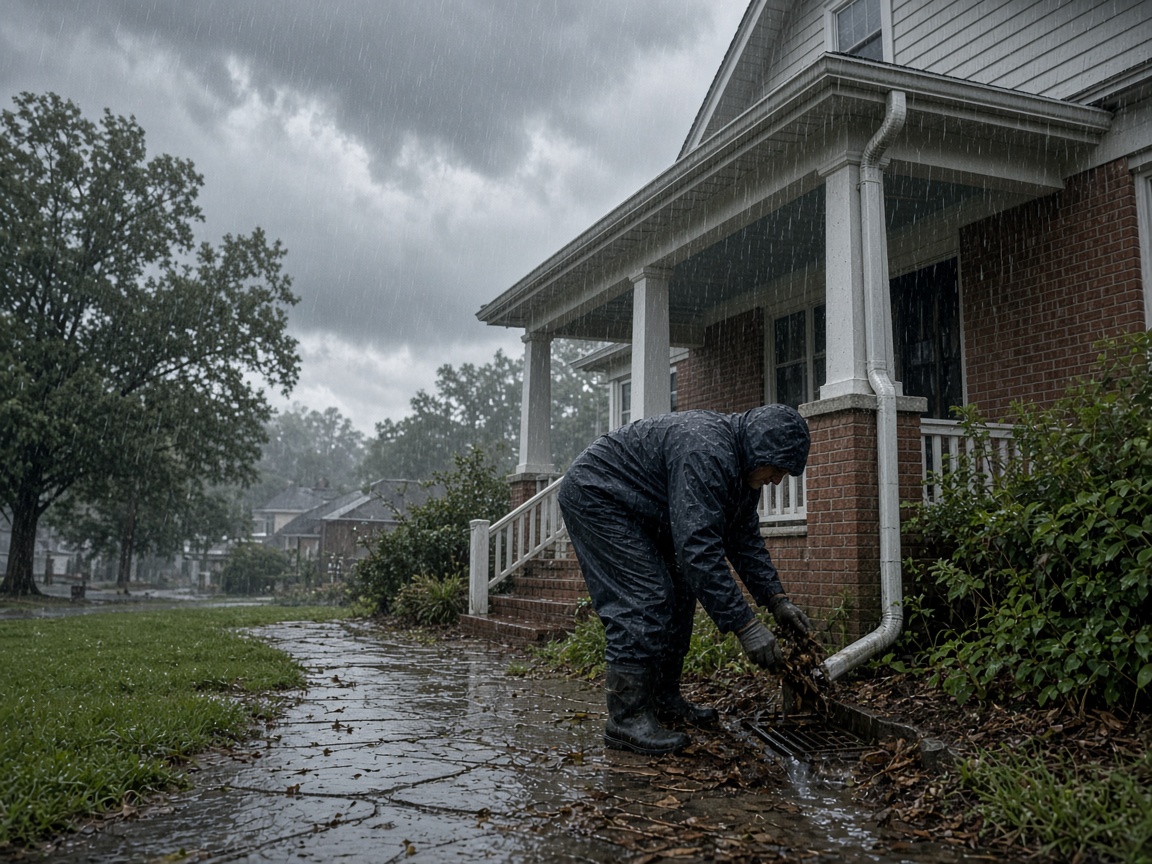
Before a storm hits, focusing on your home's exterior can prevent significant water intrusion. Start by thoroughly cleaning your gutters and downspouts. In Atlanta, with our abundant trees, it's easy for leaves, pine needles, and even small branches to accumulate, creating blockages that force rainwater to overflow and pool around your foundation. Ensure downspouts direct water at least 5–10 feet away from your home's foundation. Inspect your roof for any loose or missing shingles, especially after strong winds, and repair them promptly. Even a small compromised area can allow water to seep into your attic and ceilings. Check window and door seals, reapplying caulk where necessary. For homes with basements or crawl spaces, consider installing a sump pump, particularly if you're in a lower elevation area or have experienced prior water issues. Proper grading around your home, ensuring the ground slopes away from the foundation, is also crucial for diverting surface water.
Interior Safeguards and Emergency Kits
While exterior defenses are paramount, interior preparations are equally vital for mitigating storm damage. First, identify where your main water shut-off valve is located and ensure everyone in the household knows how to operate it. In the event of a burst pipe or significant leak, quickly shutting off the water supply can prevent extensive damage. Consider elevating valuable possessions, especially in basements or lower levels, using shelving or waterproof containers. Keep an emergency kit readily accessible, including essentials like flashlights, batteries, a first-aid kit, non-perishable food, and bottled water. Having a battery-powered radio can keep you informed if power outages occur, which are common during severe storms in the Atlanta metro area. For those with a history of basement flooding, having a wet/dry vacuum on hand can be useful for immediate, small-scale water removal. Remember, prompt action can make a significant difference in minimizing the impact of water damage.
Post-Storm Actions and Professional Help
Once the storm has passed, a swift and careful assessment of your property is crucial. Prioritize safety: avoid downed power lines and be wary of structural damage. If you notice any signs of water intrusion, such as damp spots on walls or ceilings, pooling water in your basement, or a musty odor, it's important to act quickly. The longer water sits, the higher the risk of secondary damage like mold growth, which can start within 24–48 hours. Document any damage with photos or videos for insurance purposes. For significant water damage, attempting a DIY cleanup can often lead to further complications. Professional <a href="/services/water-damage-restoration">water damage restoration</a> services, like those we offer across Georgia, have the specialized equipment and expertise to thoroughly extract water, dry affected areas, and prevent mold. Our team is available 24/7, even during severe weather, to assist homeowners in Atlanta and surrounding areas like Marietta, Sandy Springs, and Decatur.
Addressing Potential Mold Growth
One of the most insidious consequences of water damage, especially in Atlanta's humid climate, is mold growth. Even seemingly minor leaks or dampness can create the perfect environment for mold to flourish, often in hidden areas like behind drywall or under flooring. Mold not only compromises indoor air quality but can also cause structural damage and health issues. If you detect a persistent musty odor after a storm, or see visible signs of mold, it's critical to address it immediately. While small patches might be manageable with proper safety precautions, larger infestations require professional <a href="/blog/water-damage-and-mold-growth-a-guide-for-atlanta-homeowners">mold remediation</a>. Professionals can identify the source of moisture, contain the affected area, safely remove mold, and apply treatments to prevent recurrence. Ignoring mold will only allow it to spread, making the remediation process more extensive and costly in the long run. Learn more about the potential costs in our article, <a href="/blog/understanding-water-damage-restoration-costs-in-atlanta">Understanding Water Damage Restoration Costs in Atlanta</a>.