2026-11-24 ·
The Dangers of DIY Water Damage Restoration in Atlanta
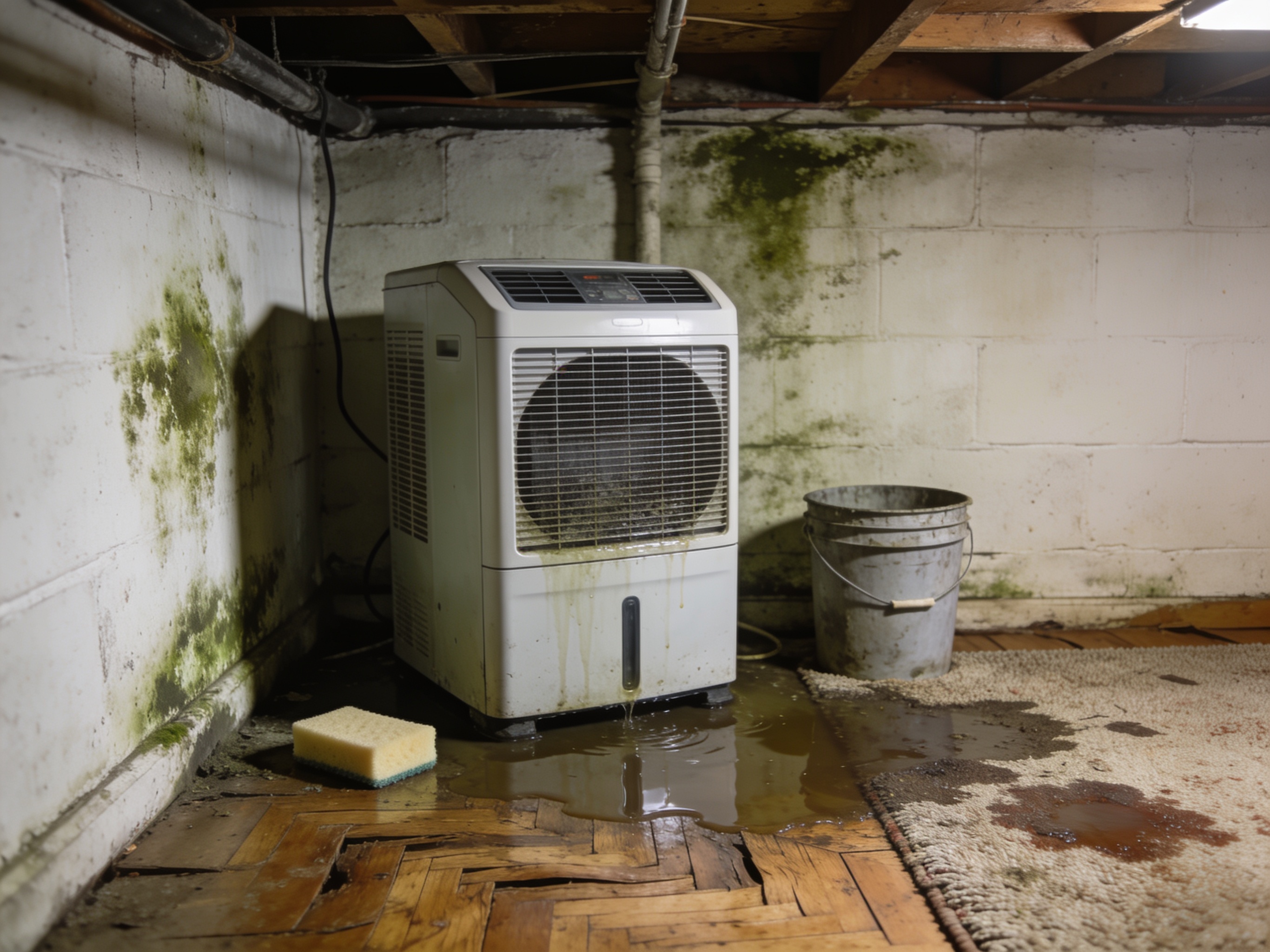
The dangers of DIY water damage restoration in Atlanta are substantial, often leading to hidden moisture, unchecked mold growth, and irreversible structural damage that can cost homeowners thousands more than professional intervention. While the immediate aftermath of a burst pipe or a leaky roof might seem manageable with towels and fans, the humid Georgia climate, especially in areas like Fulton County and surrounding neighborhoods such as Sandy Springs or Marietta, creates an ideal breeding ground for mold within 24–48 hours if moisture isn't completely eradicated. Without specialized equipment to detect hidden moisture behind walls or under flooring, and without the expertise to properly sanitize affected areas, homeowners risk not only health issues from mold spores but also the devaluation of their property due to lingering damage.
The Hidden Threat of Incomplete Drying
One of the most significant pitfalls of DIY water damage restoration is the failure to achieve complete drying. Surface-level drying might make a room appear dry, but moisture can easily remain trapped within building materials like drywall, subflooring, and insulation. In Atlanta's naturally humid environment, this trapped moisture quickly becomes a haven for mold. We often see situations in homes across Decatur and Johns Creek where homeowners thought they had resolved a water issue, only for extensive mold colonies to appear weeks or months later. This isn't just a cosmetic problem; mold can degrade building materials, compromise indoor air quality, and require extensive mold remediation that is far more complex and costly than the initial water extraction would have been.
Professional water damage experts use specialized equipment such as thermal imaging cameras and hygrometers to detect moisture at a molecular level, even behind walls or under floorboards that feel dry to the touch. This allows for targeted drying strategies, ensuring that all affected areas are thoroughly dried to prevent future issues. Without this precision, you're essentially guessing, and in a climate like ours, guessing with water damage is a high-stakes gamble.
Structural Damage and Material Degradation
Water is incredibly destructive, and its impact goes far beyond what's immediately visible. Prolonged exposure to moisture can weaken wooden support beams, warp flooring, and cause drywall to crumble. In older homes common in areas like Grant Park or Virginia-Highland, which often feature plaster and lath construction or original hardwood floors, water damage can be particularly devastating. These materials absorb water differently than modern composites, often leading to more extensive and harder-to-repair damage. A DIY approach might miss these critical structural compromises, potentially leading to sagging floors, compromised ceilings, or even instability over time.
For instance, a seemingly minor leak from an upstairs bathroom in a two-story home could saturate the ceiling below, weakening the joists and potentially leading to a collapse. Identifying and addressing these structural concerns requires a professional eye and the right tools. Overlooking these issues can not only be dangerous but can also lead to much more expensive and invasive repairs down the road, often involving tearing out and replacing entire sections of a home. For comprehensive solutions, consider our expert home water damage repair services.
The Insidious Spread of Mold
As mentioned, mold thrives on moisture, and Atlanta's climate provides ample opportunity for it to flourish. When water damage occurs, especially from incidents like a basement flood cleanup or a leaky water heater, mold can begin to grow within 24 to 48 hours. DIY efforts often fail to remove all moisture, creating perfect conditions for mold spores to colonize. Once established, mold can spread rapidly throughout a home, affecting not only the visible surfaces but also HVAC systems, attics, and crawl spaces. This is particularly concerning in homes with older, less sealed foundations, which are common in many Georgia neighborhoods.
The health implications of mold exposure are diverse, ranging from allergic reactions and respiratory problems to more severe symptoms in sensitive individuals. Children and the elderly are particularly vulnerable. Proper mold remediation involves containment, air filtration, removal of contaminated materials, and thorough cleaning, all of which require specialized training and equipment to prevent cross-contamination and ensure complete eradication. Without these steps, you might remove visible mold, but leave microscopic spores to recolonize, perpetuating the problem.
Electrical Hazards and Contaminated Water
Water and electricity are a dangerous combination. When water invades a home, it can come into contact with electrical outlets, wiring, and appliances, creating serious shock hazards. Attempting to clean up water damage without first ensuring the power is safely shut off to affected areas can lead to severe injury or even electrocution. This is a risk that should never be underestimated, especially in older homes where wiring may not be up to current safety standards.