2026-11-24 ·
Water Damage Cleanup After a Fire: Unique Challenges in Atlanta
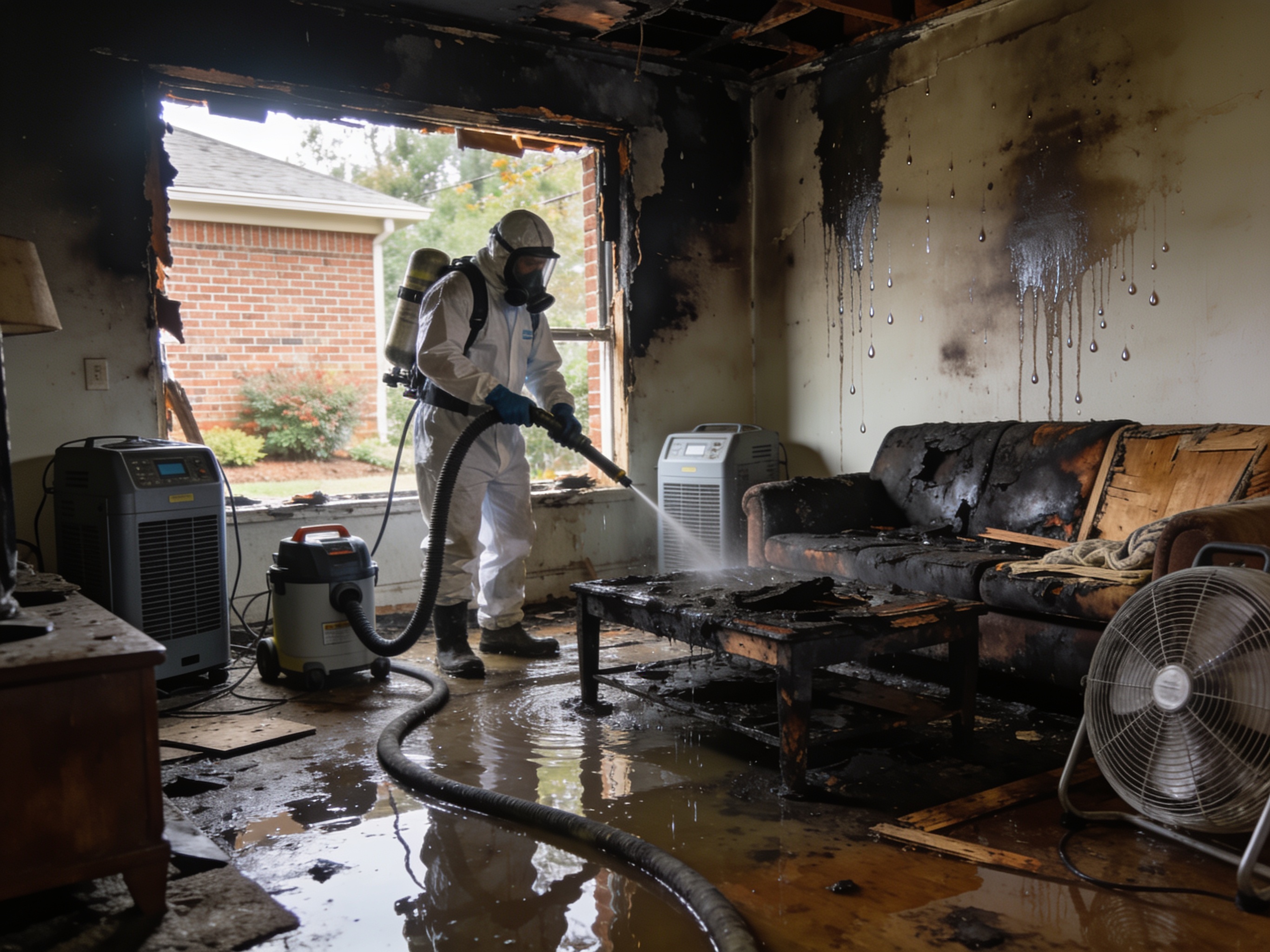
Water damage cleanup after a fire in Atlanta will invariably involve addressing not just the water itself, but also the pervasive effects of smoke, soot, and structural compromise, often requiring a more specialized and intensive approach than standard water extraction. Homes across the Georgia area, from historic properties in Midtown to newer constructions in Johns Creek or Marietta, can experience significant issues where firefighting efforts introduce substantial water, leading to a hazardous mix of waterborne contaminants and fire residues. The humid climate common in Atlanta further exacerbates these challenges, increasing the risk of secondary damage like mold growth if not addressed swiftly and thoroughly. This dual threat necessitates a comprehensive strategy, often starting with immediate water removal, followed by extensive cleaning, odor neutralization, and structural drying, all while assessing the integrity of fire-damaged materials.
Immediate Risks: Contaminated Water and Structural Weakness
One of the primary distinctions in post-fire water damage in Atlanta is the nature of the water itself. Unlike a simple pipe burst, water used to extinguish a fire becomes highly contaminated with soot, ash, and chemicals from burned materials. This creates a toxic slurry that can quickly spread throughout a property, posing significant health risks and accelerating deterioration of unaffected areas. For homes in older neighborhoods like Grant Park or Inman Park, where structures often feature plaster walls and original hardwood floors, this contaminated water can penetrate deeply, making effective cleaning and drying more complex. Furthermore, the fire itself often compromises structural elements. Even if a fire is localized, intense heat can weaken framing, floors, and ceilings, meaning that the weight of absorbed water can lead to collapses. Our team always conducts a thorough assessment of structural stability before beginning any significant water extraction or demolition, prioritizing safety in every step of the process.
The Pervasive Problem of Smoke and Soot
Beyond the visible charring, smoke and soot are insidious byproducts of a fire, and they don't simply disappear when water is introduced. When firefighting efforts douse a blaze, the water mixes with these residues, creating a corrosive, odorous sludge. This makes the water damage cleanup process significantly more complex than dealing with clean water. In Atlanta's diverse housing stock, from the brick ranches of Dunwoody to the vinyl-sided homes in Lawrenceville, soot can embed itself into porous materials like drywall, insulation, and even concrete. This not only causes extensive staining but also leaves a persistent, acrid odor that requires specialized techniques, such as ozone treatments or thermal fogging, to neutralize effectively. Simply drying the water without addressing the smoke and soot contamination will leave a lingering reminder of the fire, making the property uninhabitable and devaluing it significantly. This comprehensive approach is essential for true restoration.
Accelerated Mold Growth in Atlanta's Climate
Atlanta's humid subtropical climate, characterized by hot, muggy summers and mild winters, creates an ideal environment for mold to thrive, especially after a fire. When water saturates a property and is left unaddressed, mold can begin to grow within 24–48 hours. In a post-fire scenario, the combination of moisture, organic materials (wood, drywall, fabric), and often elevated temperatures from residual heat acts as a super-catalyst for mold proliferation. This is particularly concerning in older homes around the Georgia area, which may have less robust vapor barriers or more porous materials susceptible to moisture retention. The presence of soot can also provide additional organic matter for mold to feed on. Effective <a href="/services/water-damage-cleanup">water damage cleanup</a> and drying protocols are paramount to prevent secondary mold infestations, which can cause further structural damage and significant health issues. Our <a href="/services/water-mitigation">water mitigation</a> strategies are designed to aggressively dry out affected areas, even in the face of Atlanta's persistent humidity, to curb mold development.
Specialized Equipment and Techniques for Dual Damage
Addressing water damage after a fire demands a specialized arsenal of equipment and techniques that go beyond what's needed for a typical flood. Standard dehumidifiers and air movers are certainly part of the equation, but the presence of soot and smoke necessitates industrial-grade air scrubbers with HEPA filters to capture airborne contaminants. Thermal foggers and ozone generators are often employed to neutralize stubborn smoke odors embedded in materials. For structures in places like Peachtree Corners or Smyrna, where a mix of residential and commercial properties exists, the scale and complexity of the damage can vary greatly, requiring flexible and adaptable restoration plans. Furthermore, materials like charred wood or smoke-damaged textiles require specific cleaning agents and methods to avoid further damage during restoration. This intricate process underscores why professional <a href="/services/water-damage-restoration">water damage restoration</a> is crucial for effective recovery after a fire.
The Importance of Professional Expertise in Atlanta
Given the unique and complex challenges of water damage cleanup after a fire, relying on experienced professionals in the Atlanta area is not just a convenience, but a necessity. Our team understands the nuances of dealing with soot-laden water, assessing structural integrity post-fire, and implementing advanced drying and odor removal techniques. We are available 24/7, every day of the week, to respond to emergencies across Georgia and its surrounding neighborhoods, from Decatur to Roswell. Attempting to tackle such extensive damage yourself can lead to incomplete drying, persistent odors, and the potential for dangerous mold growth or structural failures. Professional intervention ensures that all aspects of the damage—water, smoke, and soot—are addressed thoroughly and safely, restoring your property to its pre-loss condition and helping you navigate the complexities of recovery. For more insights into the financial aspects, you might find our article <a href="/blog/understanding-water-damage-restoration-costs-in-atlanta">Understanding Water Damage Restoration Costs in Atlanta</a> helpful.