2026-11-24 ·
Water Damage from HVAC Systems: What Atlanta Homeowners Need to Know
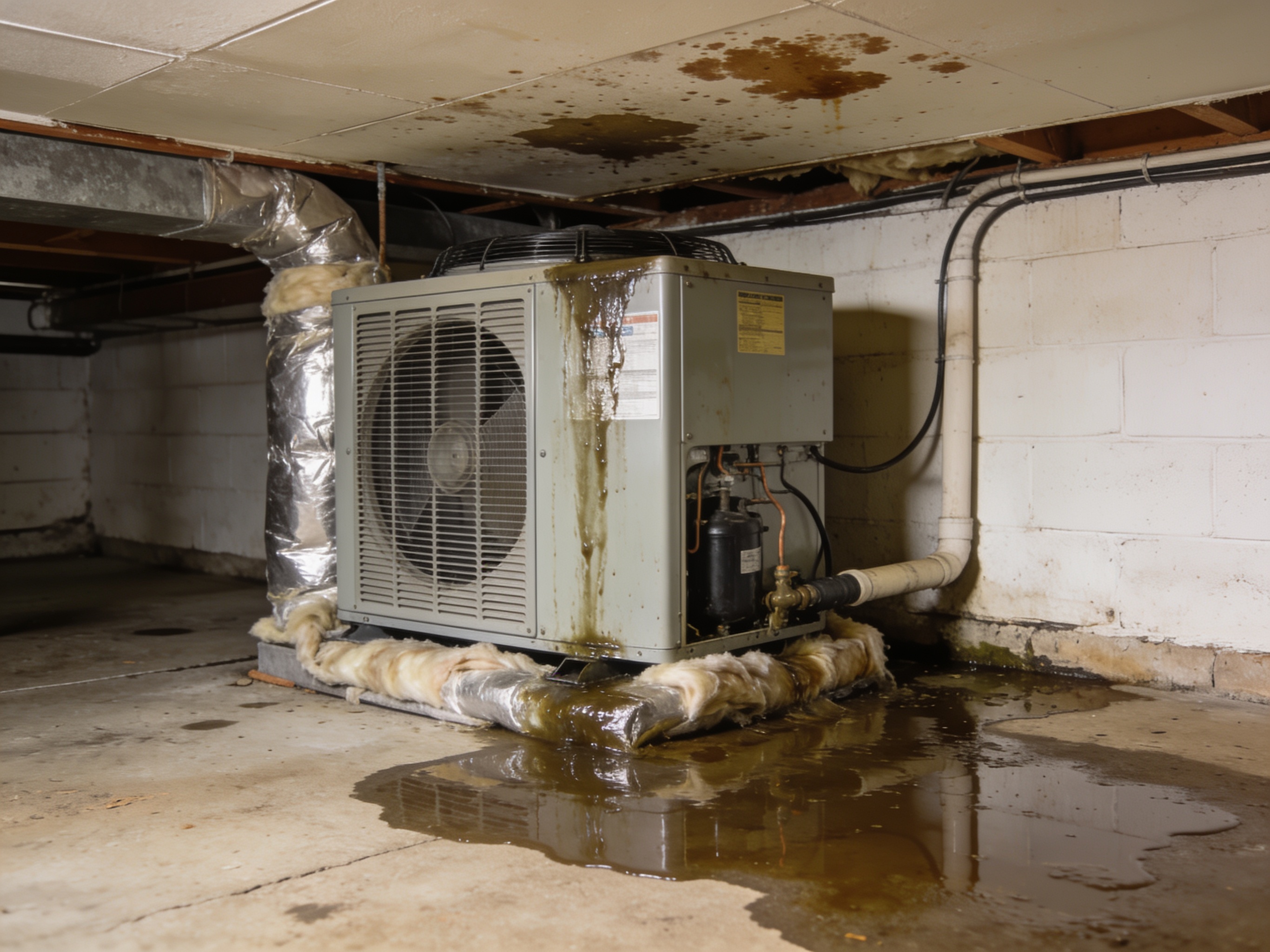
Water damage from HVAC systems can manifest in various ways, from a slow, insidious leak causing hidden mold growth to a sudden overflow that floods a ceiling or attic. In Atlanta, where humidity levels are often high, especially during our long, hot summers, air conditioning units work overtime, making them particularly susceptible to issues like clogged condensate lines or frozen evaporator coils. These problems can lead to hundreds or even thousands of dollars in repairs if not addressed promptly, affecting everything from drywall and insulation to flooring and personal belongings. Recognizing the signs early and understanding the common culprits is key to protecting your home in neighborhoods like Sandy Springs, Marietta, or Decatur.
Common Causes of HVAC-Related Water Damage
Several components within your HVAC system can lead to water damage. The most frequent offender is a clogged condensate drain line. As your air conditioner cools the air, it removes humidity, producing condensation that collects in a drip pan and drains away. Over time, algae, mold, and debris can build up in this line, causing it to block. When the drain clogs, the condensate pan overflows, sending water into your ceiling, walls, or attic space. This is a particularly common issue in the humid Georgia climate, as the constant moisture creates an ideal environment for microbial growth within the drain lines. Homeowners in areas like Johns Creek or Roswell often experience this during peak cooling season.
Another significant cause is a cracked or overflowing condensate pan. While less common than a clogged line, older or damaged pans can develop cracks, allowing water to leak. Sometimes, the pan itself might be too small for the amount of condensation produced, especially in very humid conditions, leading to overflows. Frozen evaporator coils are also a major concern. If your system has low refrigerant, poor airflow, or a dirty filter, the evaporator coil can freeze solid. When the system thaws, this large block of ice melts rapidly, overwhelming the condensate drain system and causing water to spill out. This can lead to substantial water damage, often in an attic or utility closet, requiring prompt intervention to prevent further issues.
Identifying Signs of HVAC Water Leaks
Catching HVAC-related water damage early can save you from extensive repairs. Keep an eye out for water stains on your ceilings or walls, especially those directly below your attic or the unit's location. A musty odor, particularly around your HVAC unit or vents, is a strong indicator of mold growth, which thrives in damp conditions caused by leaks. You might also notice pooling water around the outdoor unit or near the indoor air handler. If your condensate pan is accessible, visually inspect it for standing water or signs of overflow. An increase in your home's humidity without a clear explanation could also point to a system malfunction where condensation isn't being properly drained. For more insights into how moisture affects your home, consider reading our article on The Role of Dehumidifiers in Atlanta Water Damage Recovery.
Don't ignore unusual sounds coming from your unit, such as gurgling or dripping, as these can sometimes indicate a blockage or an issue with the condensate pump. If you have an older home in an area like Candler Park or Grant Park, where HVAC systems might be original or decades old, these signs are even more critical to monitor. The older the system, the more prone it is to wear and tear that can lead to leaks. Proactive observation can be the difference between a minor repair and a major water damage restoration project.
Preventative Measures for Atlanta Homeowners
Regular maintenance is your best defense against HVAC-related water damage. Schedule annual professional inspections and tune-ups, ideally before the heavy cooling season kicks in during late spring. During these visits, technicians can clean condensate lines, inspect pans for damage, and check refrigerant levels and airflow. Between professional visits, you can perform some simple tasks yourself. Regularly change your air filters—every 1–3 months, depending on usage and household conditions—to ensure proper airflow and prevent coil freezing. You can also pour a cup of distilled vinegar down your condensate drain line every few months to inhibit algae and mold growth.
Ensure your condensate drain line has a proper slope and is free of obstructions. If your system includes a condensate pump, test it periodically to ensure it's functioning correctly. In homes with attic-mounted units, consider installing a secondary drain pan or a float switch. A float switch automatically shuts off your AC unit if the primary drain pan starts to overflow, preventing significant water damage. This small investment can save you from a major headache and costly repairs. For homes in low-lying areas or those with basements in the Georgia area, preventing any form of water intrusion is paramount, and HVAC leaks are no exception.
What to Do When Water Damage Occurs
If you discover water damage from your HVAC system, acting quickly is crucial. First, shut off your HVAC unit and the water supply to the unit if applicable. This stops the source of the leak and prevents further damage. Next, try to identify the source of the leak. Is it a clogged drain line, an overflowing pan, or something else? If you can safely access the area, begin by removing standing water. Use towels, wet vacuums, or buckets to extract as much moisture as possible. The longer water sits, the greater the risk of structural damage and mold growth. For significant water intrusion, especially in areas like your attic or walls, you'll need professional help.